
How to Experience Immersive Live Roulette: Interactive Real-Time Betting with a Live Dealer and Virtual Immersion
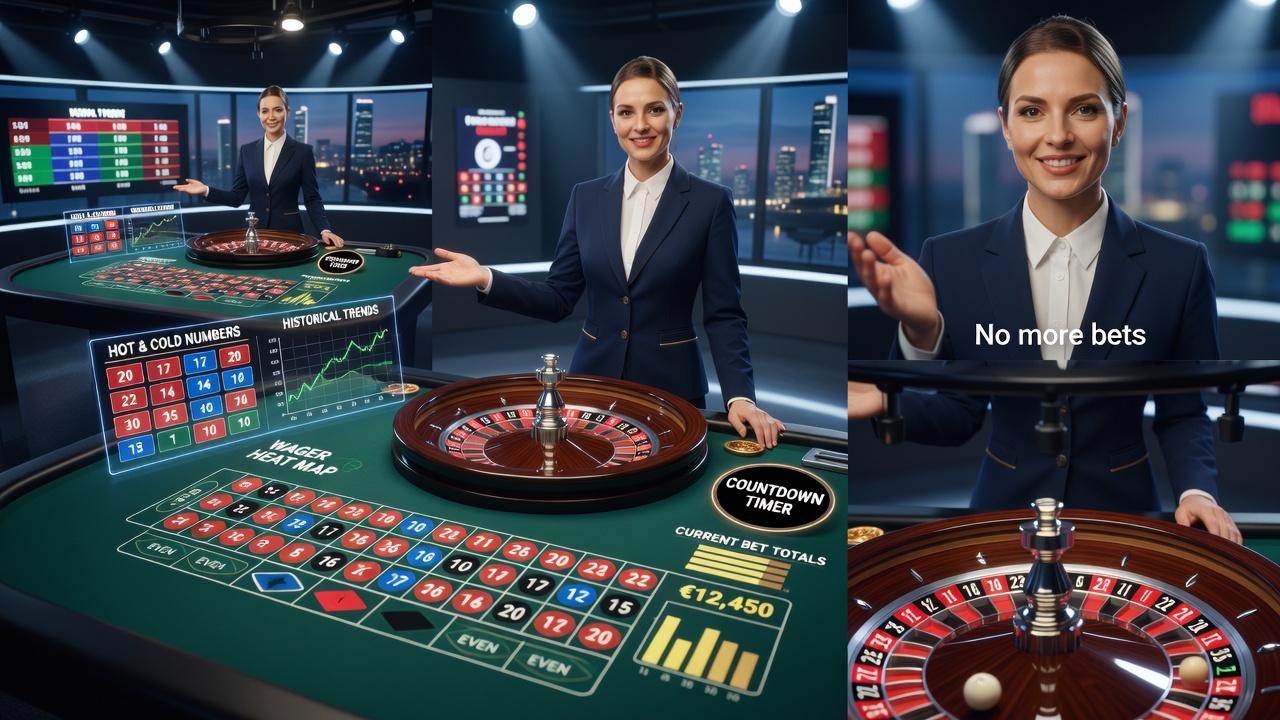
A roulette wheel spins at roughly the same speed whether it sits in a Monte Carlo casino or streams from a studio in Riga. What changed is not the physics of the ball but the distance between the player and the table. Cameras positioned at multiple angles, microphones that pick up the dealer's voice in real time, and betting interfaces synced to the millisecond have collapsed that distance almost entirely. The result is a category of online gaming that behaves less like a digital simulation and more like a broadcast you can talk back to.
Players who tried early versions of online roulette in the 2000s remember flat animations and random number generators with no face behind them. That version of the game satisfied convenience but not curiosity. The current generation of live-streamed tables asks a different question: can a screen replicate the tension of a physical casino floor? For anyone unsure where one format ends and the other begins, a clear breakdown of immersive roulette vs live roulette explains the technical and experiential differences before you place a single chip. Understanding that distinction matters because it shapes everything from camera angles to the pace of each round.
What follows is a practical guide to understanding, choosing, and getting the most out of this format - from the technology behind the cameras to the etiquette at the virtual table.
What Makes Live Roulette "Immersive"
The word "immersive" gets applied loosely across the gaming industry, but in the context of roulette it refers to something specific: a multi-camera broadcast setup combined with graphical overlays that track the ball, the wheel, and the betting patterns in real time. Standard live dealer roulette usually offers a single fixed camera angle. Immersive live roulette adds a slow-motion replay of the winning number, close-up shots of the ball settling into its pocket, and statistical overlays showing hot and cold numbers.
Multi-Camera Broadcasting and Real-Time Graphics
Studios running immersive tables typically deploy several synchronized cameras - one wide shot of the table, one angled toward the dealer, and one positioned directly above or beside the wheel for a close tracking shot of the ball. Software stitches these feeds together and overlays data such as previous winning numbers, current bet totals, and a countdown timer. This layered presentation is what separates a genuinely interactive roulette experience from a simple video call with a dealer spinning a wheel.
Sound Design and Studio Atmosphere
Audio matters more than most players expect. The clatter of the ball, the dealer's verbal call of "no more bets," and ambient studio sound all contribute to a sense of physical presence. Poorly mixed audio breaks the illusion faster than any visual glitch, which is why reputable studios invest heavily in directional microphones and acoustic treatment.
Why This Format Appeals to Experienced Players
Seasoned roulette players often gravitate toward immersive tables because the additional data - hot numbers, betting heat maps, historical trends - gives them more to analyze between spins. This doesn't change the game's odds, which remain governed by the same fixed house edge, but it does change the texture of decision-making during a session.
How Live Dealer Roulette Actually Works Behind the Scenes
Understanding the mechanics behind the broadcast helps explain why live dealer roulette feels trustworthy rather than staged. These are not pre-recorded loops. Each spin happens once, on camera, in front of whoever is watching at that moment.
The Studio Setup and Equipment
A typical studio includes a regulation-size roulette wheel calibrated for balance, professional broadcast cameras, and a control room monitoring stream quality and latency. Dealers work in shifts, often rotating every 20 to 60 minutes to maintain focus and consistency in pacing.
Random Number Verification and Fair Play
Because a human spins the wheel and releases the ball, licensed operators use optical character recognition or ball-tracking sensors to confirm the winning number independently of the dealer's own call. This dual-verification process protects both the operator and the player from disputes.
The Role of the Dealer in Shaping the Experience
A skilled dealer does more than spin the wheel - they set pace, acknowledge players by name in chat, and manage the rhythm of betting rounds. This human element is precisely what distinguishes live dealer roulette from automated digital tables, and it's a major reason players return to specific studios or even specific dealers.
- Wheel calibration checks performed before each shift
- Independent ball-tracking sensors confirming results
- Dealer rotation schedules to maintain alertness and pacing
Setting Up Your Own Real-Time Roulette Betting Session
Getting the most out of real-time roulette betting starts before the first spin. Preparation affects both enjoyment and decision-making quality once the session is underway.
Choosing the Right Table Speed and Betting Limits
Tables vary significantly in pace. Some studios run a spin every 40 seconds; others allow closer to a minute between rounds for players who want time to study patterns or chat with the dealer. Betting limits also range widely, from tables accepting stakes of a single unit to VIP rooms with minimums far higher. Matching table speed and limits to your own bankroll and attention span prevents rushed, regrettable bets.
Connection Quality and Device Considerations
Live streaming demands a stable connection. Buffering during a spin is more than an inconvenience - it can mean missing the window to place or adjust a bet. A wired connection or strong Wi-Fi signal, along with a device capable of rendering video smoothly, makes a measurable difference in session quality.
Reading the Interface Before You Bet
Every platform arranges its betting grid slightly differently. Spend the first few rounds simply observing - where the countdown timer sits, how quickly chips register on the felt, and how the interface confirms a placed bet. This orientation period costs nothing and prevents costly misclicks later.
Virtual Roulette Immersion: Technology That Bridges Physical and Digital
The phrase virtual roulette immersion describes the layer of technology that makes a screen feel like a window rather than a barrier. This goes beyond video quality into the realm of interface design and sensory feedback.
Augmented Reality Overlays
Some platforms now project digital statistics directly onto the physical table surface within the video feed - a glowing outline around a winning number, or a heat map appearing to sit on the felt itself. This augmented layer blends computer-generated graphics with a real, physical event happening in a studio.
3D Wheel Views and Customizable Perspectives
Certain interfaces let players switch between camera angles or even simulate a 3D rotating view of the wheel, giving a sense of spatial control that flat video cannot offer on its own. This customization is a defining trait of the more advanced interactive roulette experience platforms currently available.
Chat Functionality and Social Presence
Text chat with the dealer and other players at the table adds a social dimension absent from purely automated games. Dealers often respond to greetings, answer basic questions about the game, and acknowledge big wins - small interactions that reinforce the sense of a shared, real event rather than an isolated digital transaction.
Strategic Considerations When Betting in Real Time
Strategy in roulette is often overstated, since no betting system changes the underlying house edge. Still, the live, real-time format introduces practical considerations that differ from static digital versions of the game.
Managing Pace and Avoiding Impulsive Bets
Because rounds happen on a fixed broadcast schedule, players sometimes feel pressure to place bets quickly before the timer runs out. Setting a personal betting plan in advance - which numbers, which chip values, which maximum loss for the session - removes the temptation to bet reactively under time pressure.
Using Statistical Overlays Responsibly
Hot and cold number displays are popular features on immersive tables, but each spin remains statistically independent of the last. These overlays are useful for tracking session history and adding context to your play, not for predicting future outcomes.
Bankroll Management Across Longer Sessions
The social and visual richness of live tables can extend session length beyond what players originally intend. Setting a firm bankroll limit and a time limit before starting protects against the natural pull of an engaging, well-produced broadcast.
Choosing a Platform for Your Immersive Live Roulette Experience
Not all platforms offering live dealer roulette invest equally in production quality, licensing, or customer support. A few practical checks separate reliable operators from mediocre ones.
Licensing and Studio Transparency
Legitimate operators publish licensing information and often show which studio produces their live feed. Studios with visible, verifiable credentials tend to maintain higher standards for both fairness and broadcast quality.
Variety of Tables and Betting Formats
Look for platforms offering multiple table speeds, betting limits, and camera styles. A wider selection means you can match the experience to your mood - a fast, high-limit table for focused sessions, or a slower, chattier table for a more social evening.
Support for Mobile and Cross-Device Play
Since immersive broadcasts rely heavily on video streaming, platforms optimized for mobile devices without sacrificing image quality tend to offer a more consistent experience across different environments, whether at a desk or on a couch.
Frequently Asked Questions
Is immersive live roulette fairer than standard digital roulette?
Fairness depends on licensing and auditing rather than the format itself. Digital roulette uses certified random number generators, while live versions rely on a physical wheel with independent verification systems. Both can be equally fair when operated by properly licensed studios.
Do I need special equipment to play at an immersive table?
No specialized hardware is required. A stable internet connection and a device capable of streaming high-definition video - a laptop, tablet, or modern smartphone - is sufficient for a smooth experience.
Can I chat directly with the live dealer during a game?
Yes, most platforms include a text chat function that dealers monitor and respond to between spins. Voice interaction is generally not available, as dealers manage multiple simultaneous viewers.
Why do some live tables have higher minimum bets than others?
Higher-limit tables typically run in dedicated studios with premium production values, sometimes including VIP dealers or exclusive camera setups. The increased minimum reflects the operational cost of maintaining that tier of service.
Does a slow internet connection affect my odds of winning?
No, connection speed has no effect on the game's outcome, since the result is determined by the physical spin and independent verification system. Poor connectivity can, however, cause you to miss the betting window for a given round.
How is virtual roulette immersion different from a standard video stream?
A standard video stream simply shows the table and dealer. Immersive setups add synchronized data overlays, multiple camera angles, and sometimes augmented graphics layered onto the live footage, creating a richer and more interactive viewing experience.